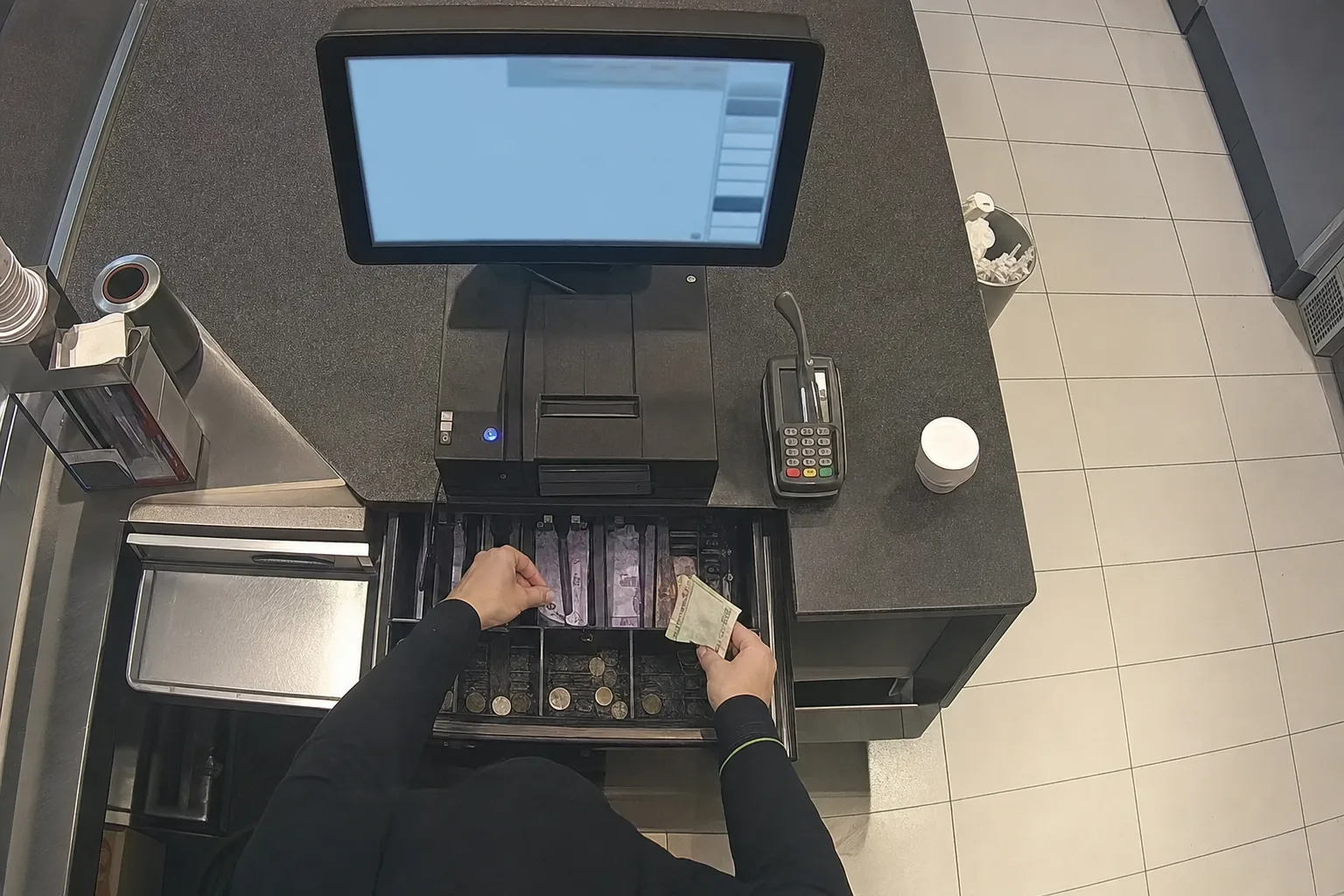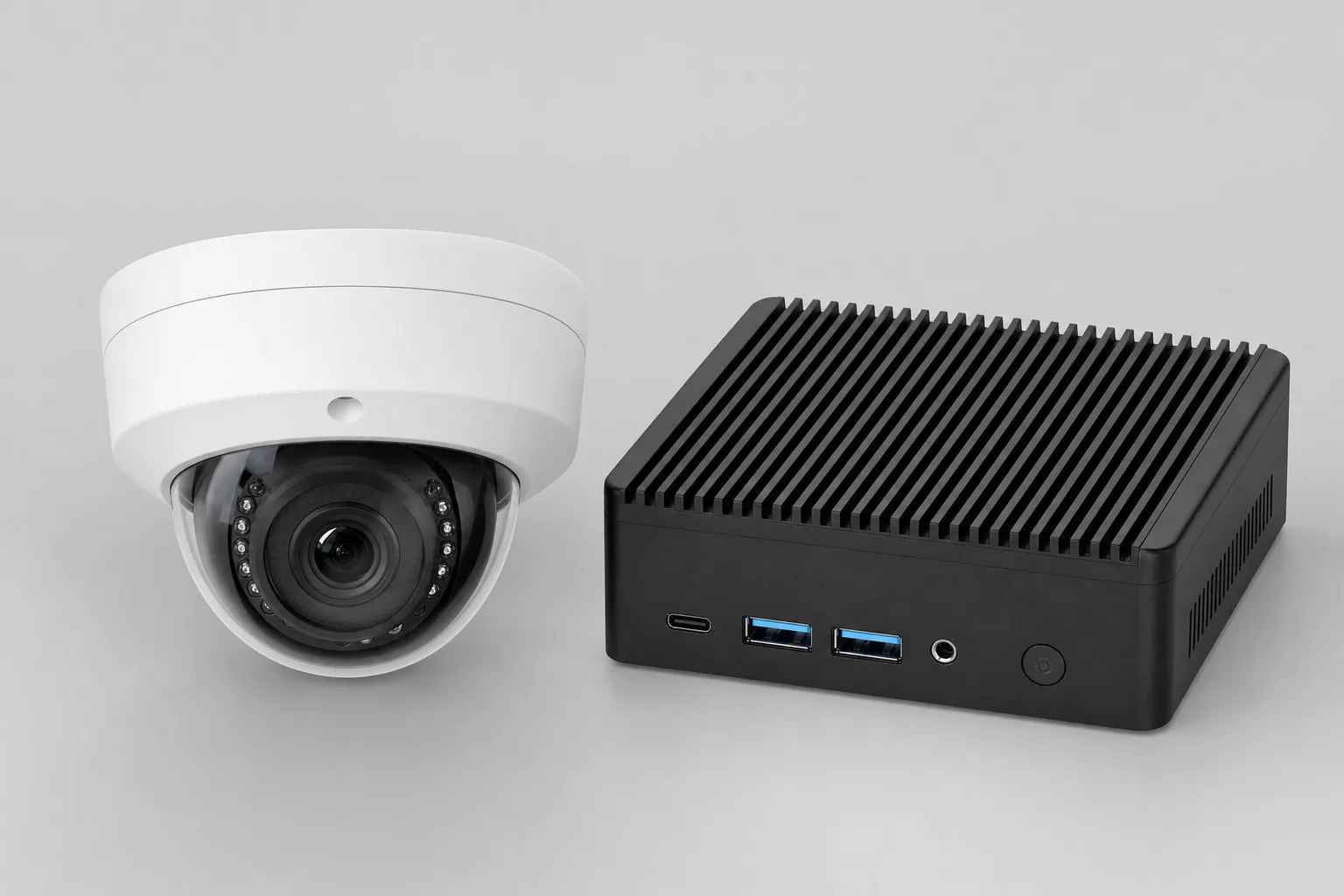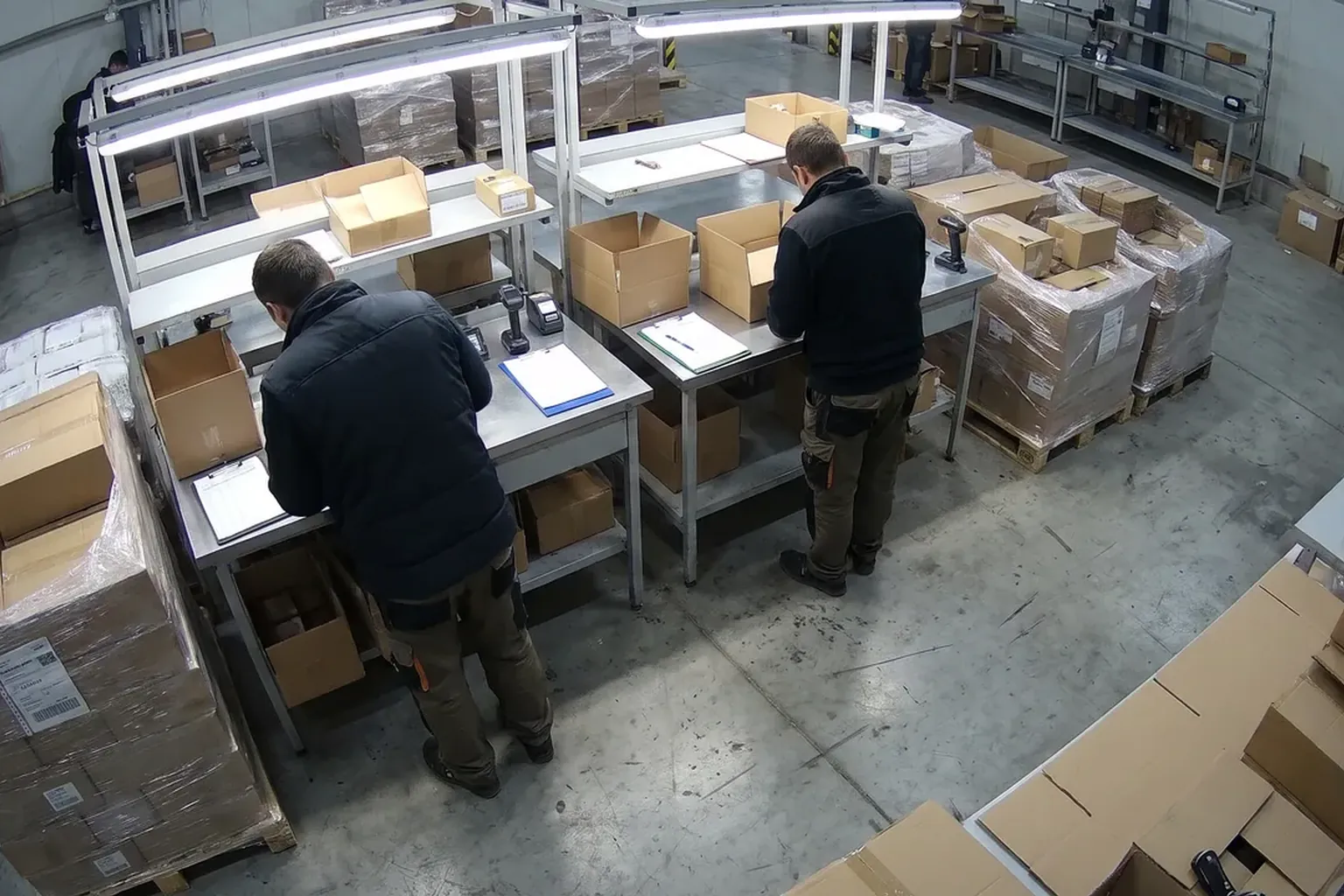
When something happens—whether it’s a cash shortage, theft, or a complaint—the first few hours are crucial. Writing a report immediately, with the exact time and a reference to the recording, saves you time later with the police, insurance, or in discussions with staff.
What a Good Incident Report Should Include
- The exact date, time, and location (venue, register, room).
- A brief, objective description of what happened—no assumptions.
- Who was involved and who witnessed the incident.
- What evidence exists: video clip (with start and end time), receipt, cash register report.
- What immediate actions were taken.
- Who completed the report and when.
Template
Copy the template below and fill it out for every incident. You can keep it as an internal document, along with the saved recording.
Incident Report
INCIDENT REPORT No. ____

Location: ______________________   Register / area: __________
Date: ____/____/______   Start time: ____:____   End time: ____:____

Type of incident (check one):
[ ] Cash shortage       [ ] Item handed over without receipt     [ ] Suspicious void
[ ] Customer theft      [ ] Employee theft                       [ ] Complaint / damage
[ ] Other: ____________________

Description (facts only, no assumptions):
______________________________________________________________
______________________________________________________________

People involved (name / role):
______________________________________________________________
Witnesses:
______________________________________________________________

Evidence:
- Video clip: camera ______, from ____:____ to ____:____
- Receipt / transaction no.: __________   Value: ________ €
- Other documents: ______________________

Immediate actions taken:
______________________________________________________________

Was the recording saved separately? [ ] Yes  [ ] No   Where: __________
Incident reported to: [ ] Manager  [ ] Police  [ ] Insurer

Completed by: ____________________   Position: ______________
Date and time completed: ____/____/______  ____:____   Signature: ________
A Few Usage Tips
- Fill out the report as soon as possible, while details are still fresh.
- Stick to facts, not conclusions: “the drawer was open for 40 seconds without a receipt,” not “they stole.”
- Save the relevant video clip right away, before it’s overwritten.
- Keep the report and video only as long as necessary, and restrict access.
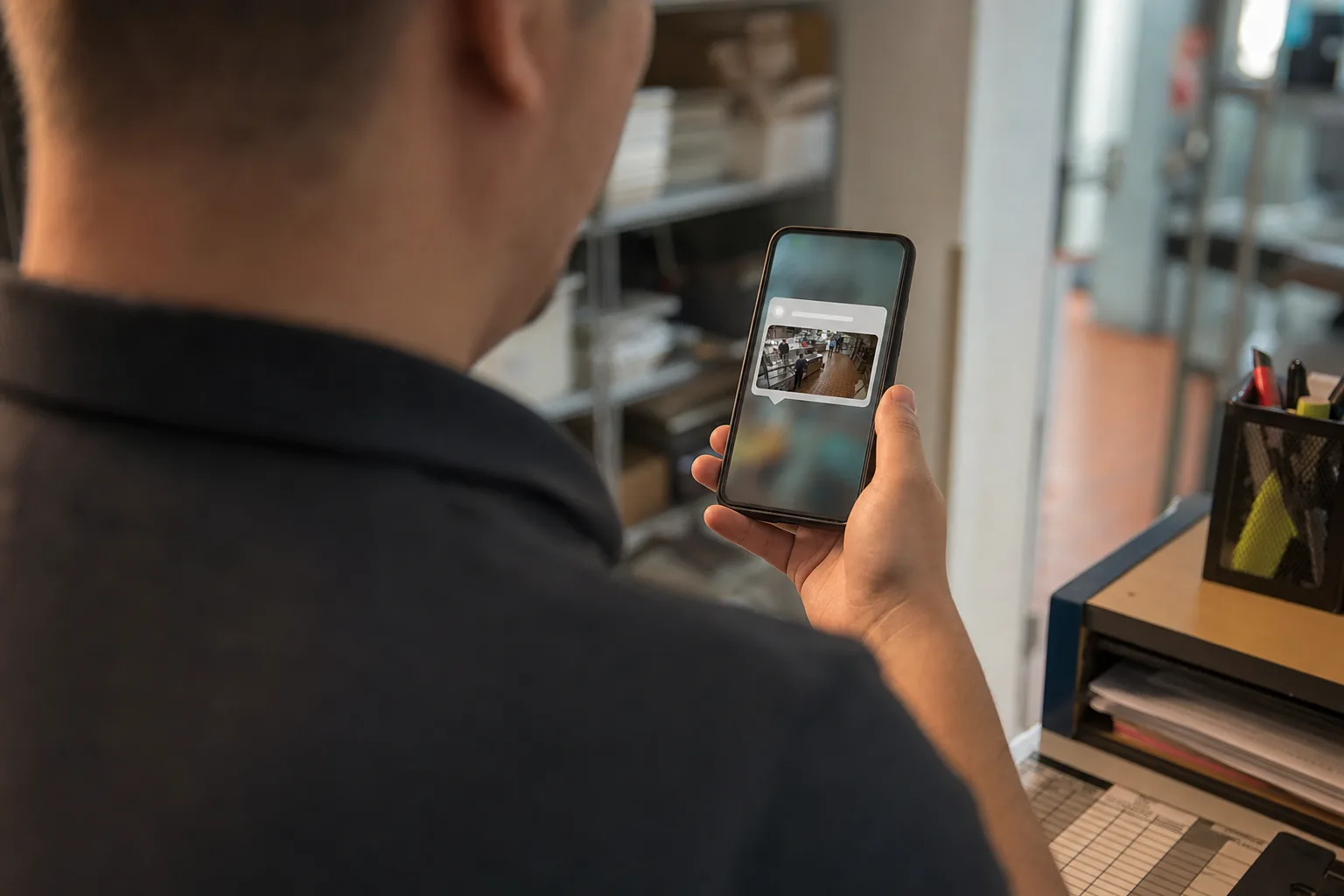
If you use automatic verification, most of the report fills in itself: time, register, receipt, and video come straight from the alert. You just add context and your decision.
See also: Retail & Supermarkets · Fast Food · Loss Calculator
Want to know your business’s real loss figure?
Request a demo