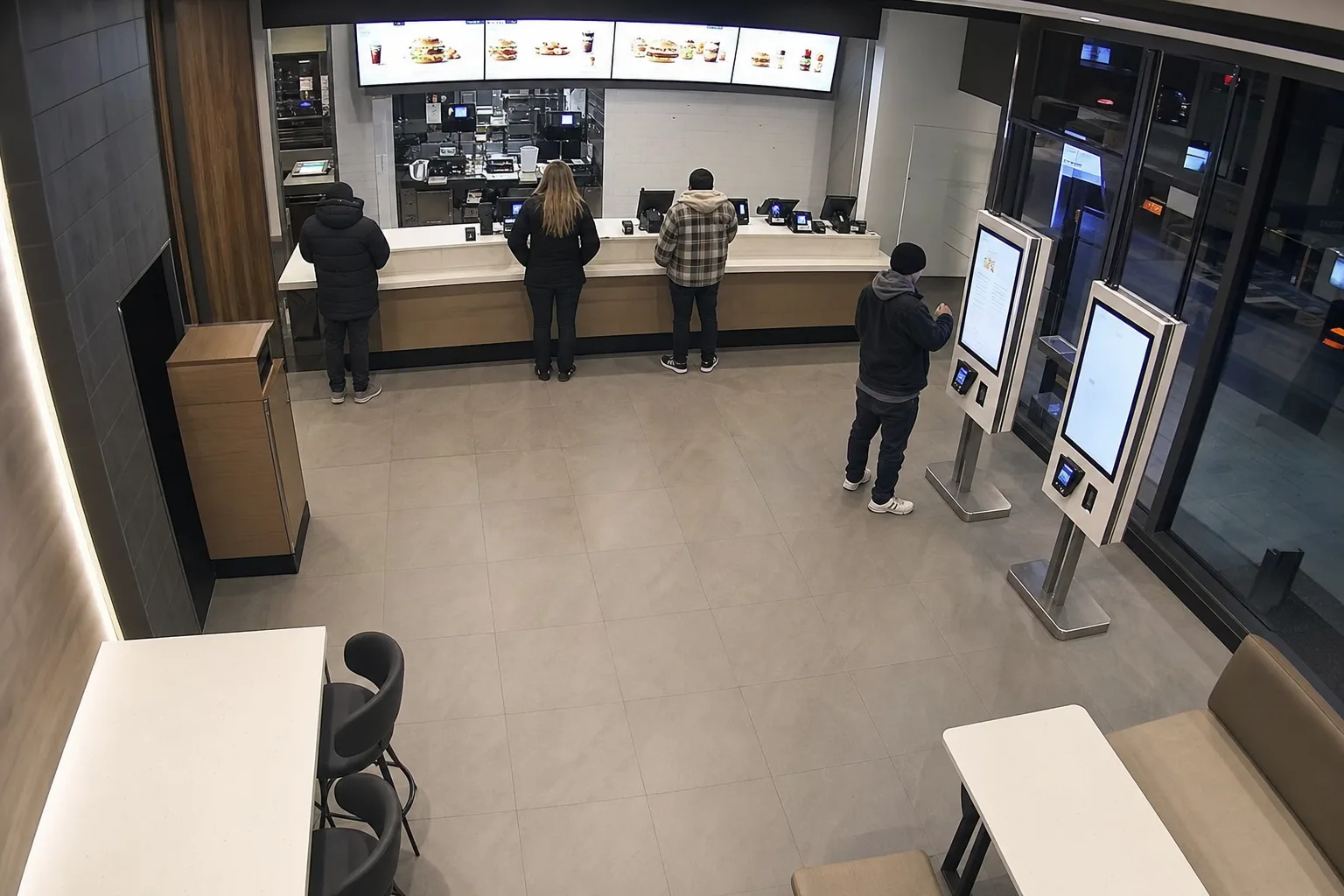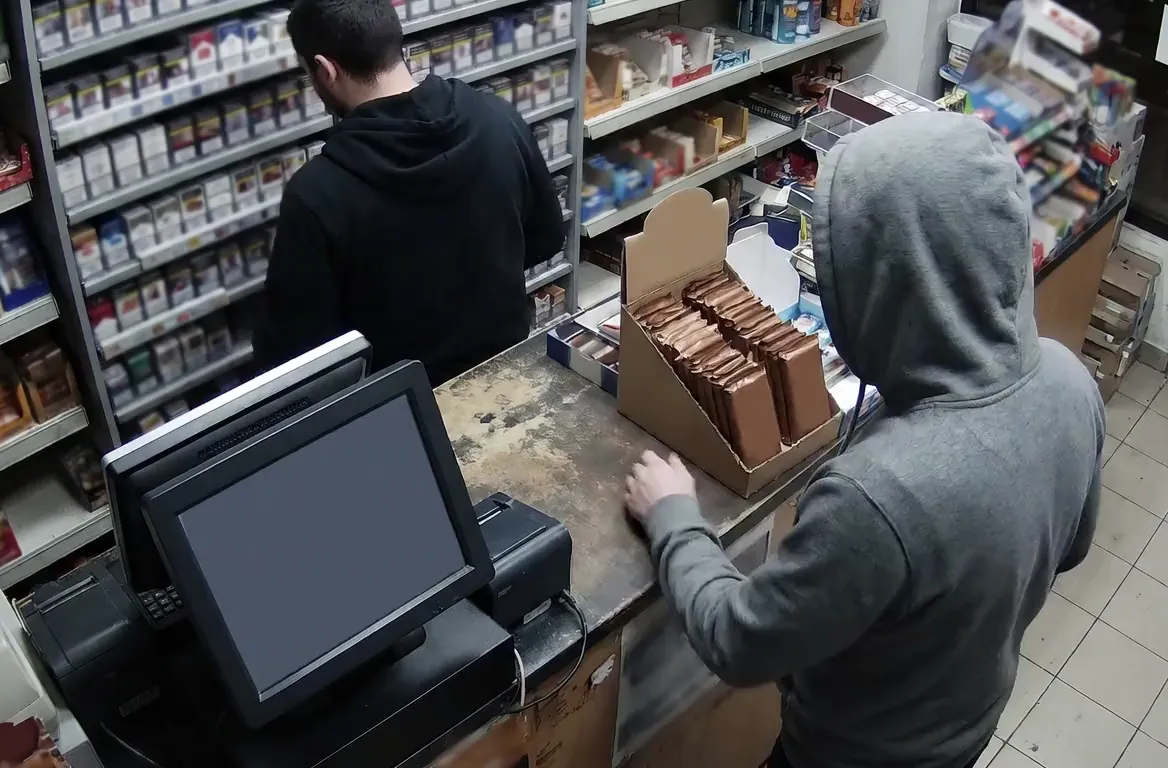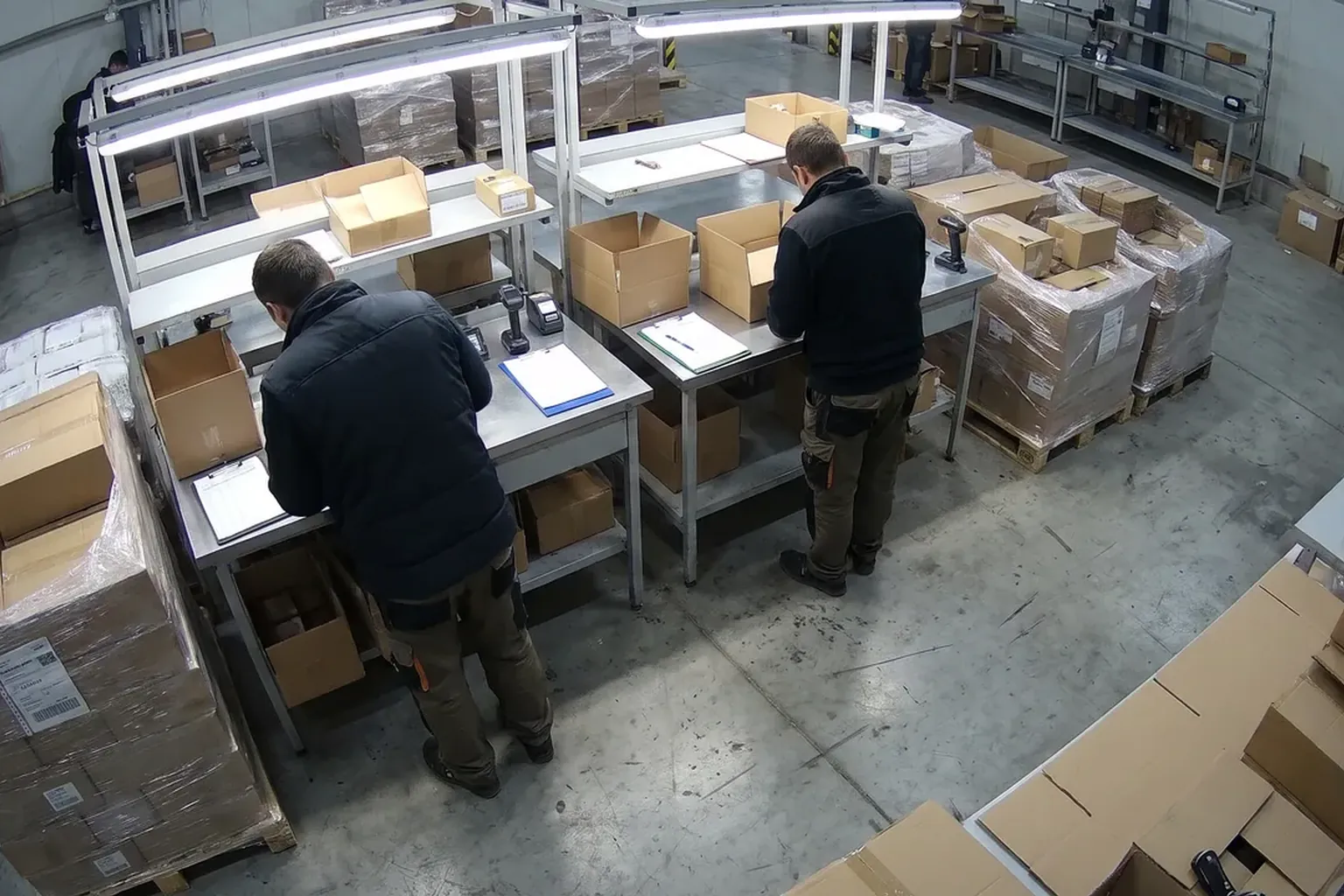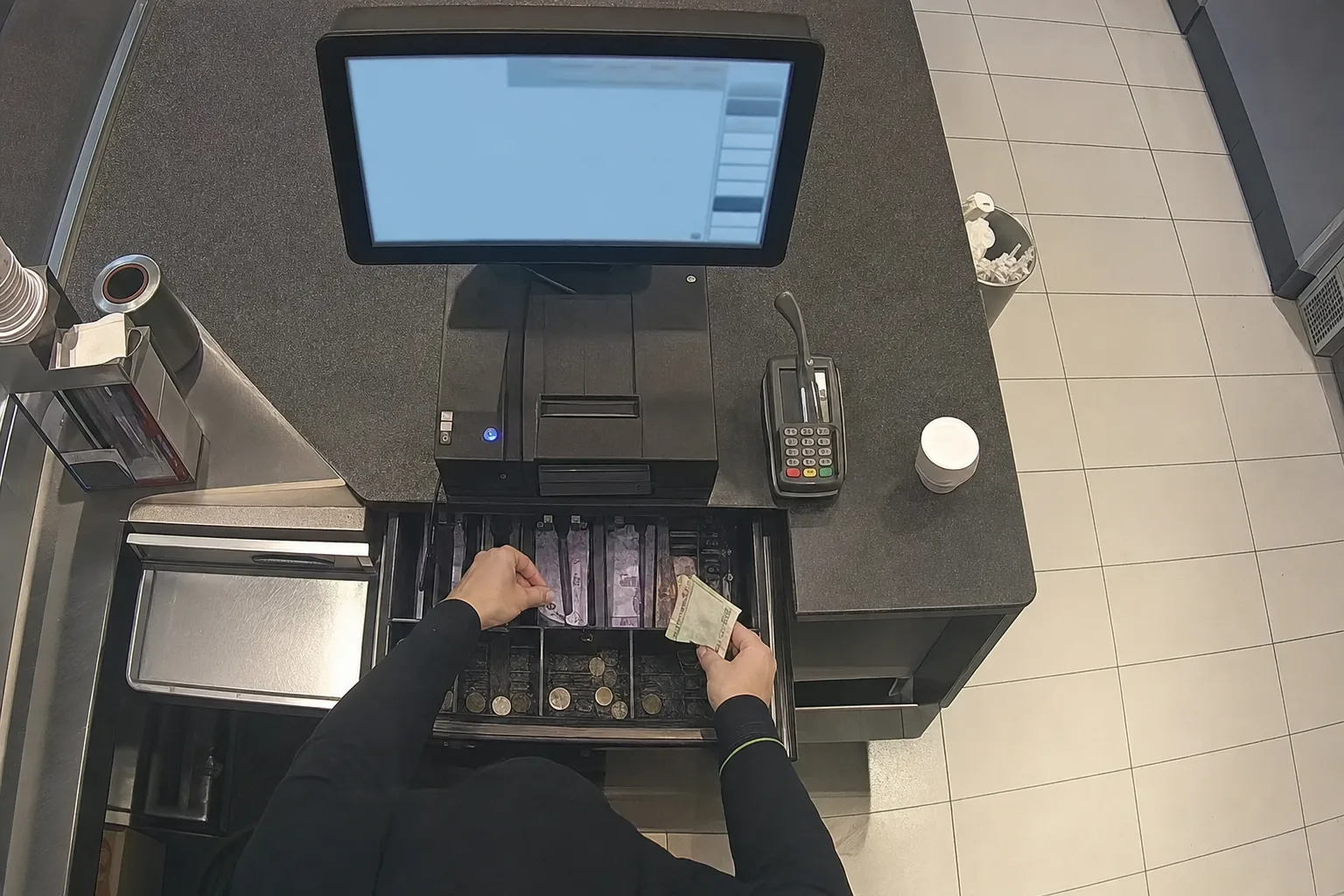
Cameras in restaurants or retail stores are legal, but using them to monitor employees is subject to strict rules. In Europe, these come from the GDPR and national employment and data-protection rules.
Requirements under national employment and data-protection rules
Video monitoring at the workplace is allowed for the employer’s legitimate interests only if all of the following conditions are met:
- the employer’s interests are well justified and outweigh the interests or rights of employees;
- employees have been fully and clearly informed in advance;
- the union or, where applicable, employee representatives have been consulted before the system is introduced;
- other, less intrusive measures have previously proven ineffective;
- footage is kept for a proportionate period, not exceeding 30 days, except where otherwise legally required or well justified.
Additional GDPR Requirements
Systematic monitoring of a space or individuals may require a Data Protection Impact Assessment (DPIA) under Article 35 of the GDPR. In addition, you must have visible signage at the entrance, an internal policy, and a designated data protection contact.
What’s Not Allowed
- cameras in changing rooms, restrooms, or break areas;
- using footage for purposes other than those declared;
- unlimited retention of recordings.
This article is for informational purposes only and does not constitute legal advice. For your specific situation, consult a lawyer or your data protection officer.
See also: Fast Food · Retail & Supermarkets · Loss Calculator
Want to know your business’s real loss figure?
Request a demo