Identifying Employee Discount Issues
Employee discounts are a common perk in many industries, but excessive use can signal abuse. For example, in retail, an employee might apply discounts for friends, ignoring company policy. Before taking action, it’s crucial to understand how these discounts work and who has access. This helps you spot potential issues without making unfounded accusations.
Start by reviewing sales reports and looking for unusual patterns. End-of-day or void/cancellation reports can offer valuable clues. For instance, if an employee consistently applies discounts at the same times or for the same customers, it could be a red flag. Also, check who is authorized to process cancellations or discounts, and whether these actions align with company policy.
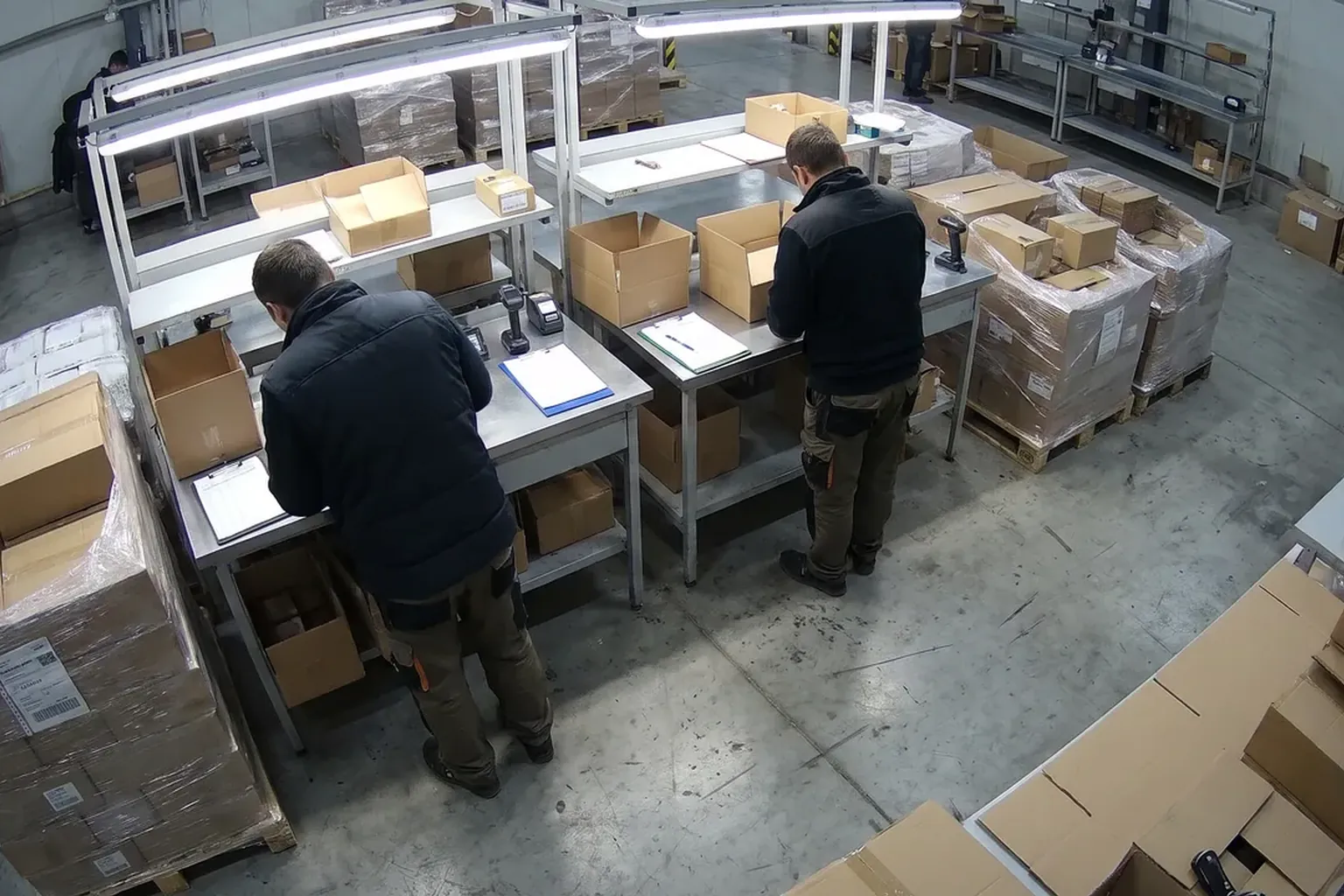
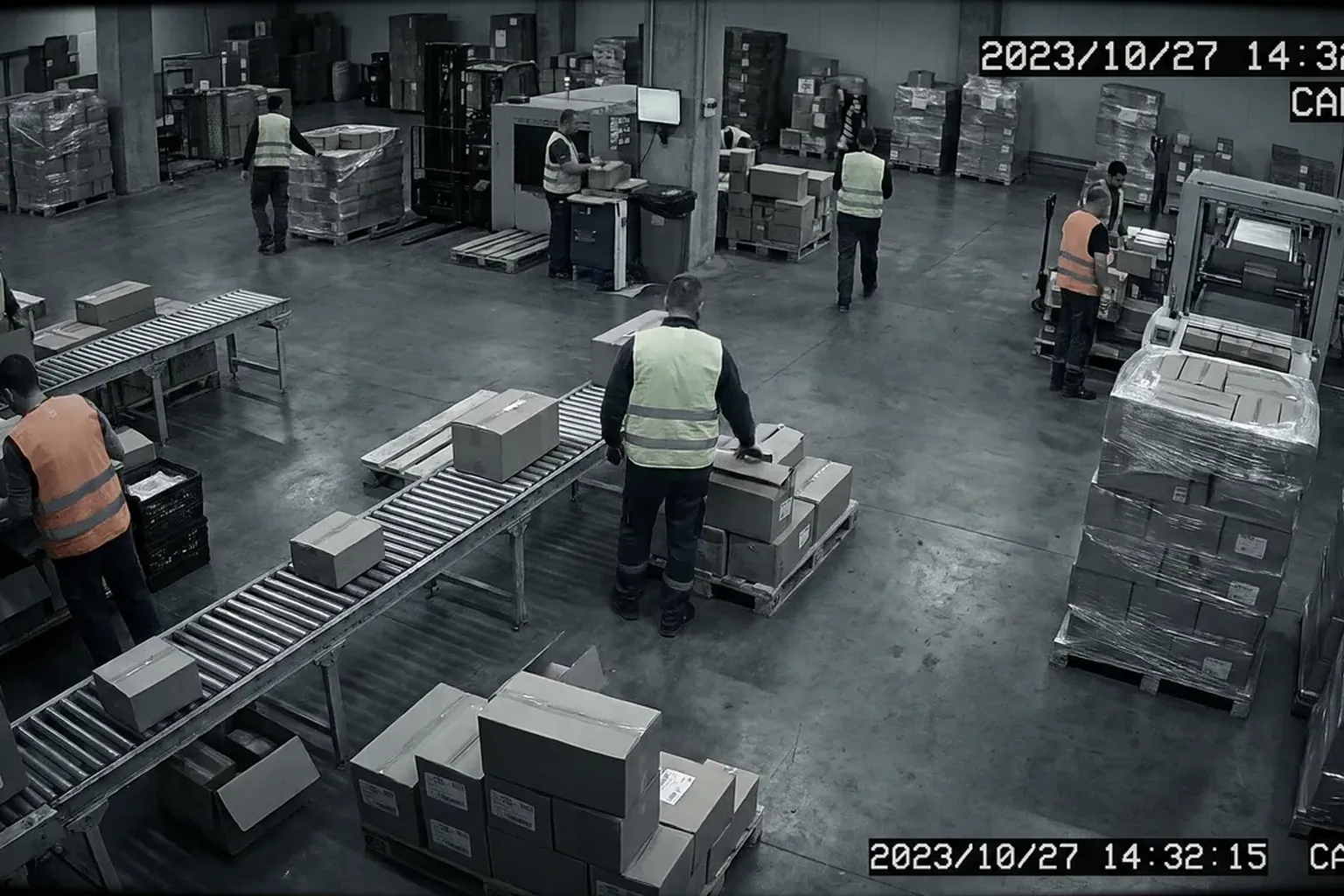
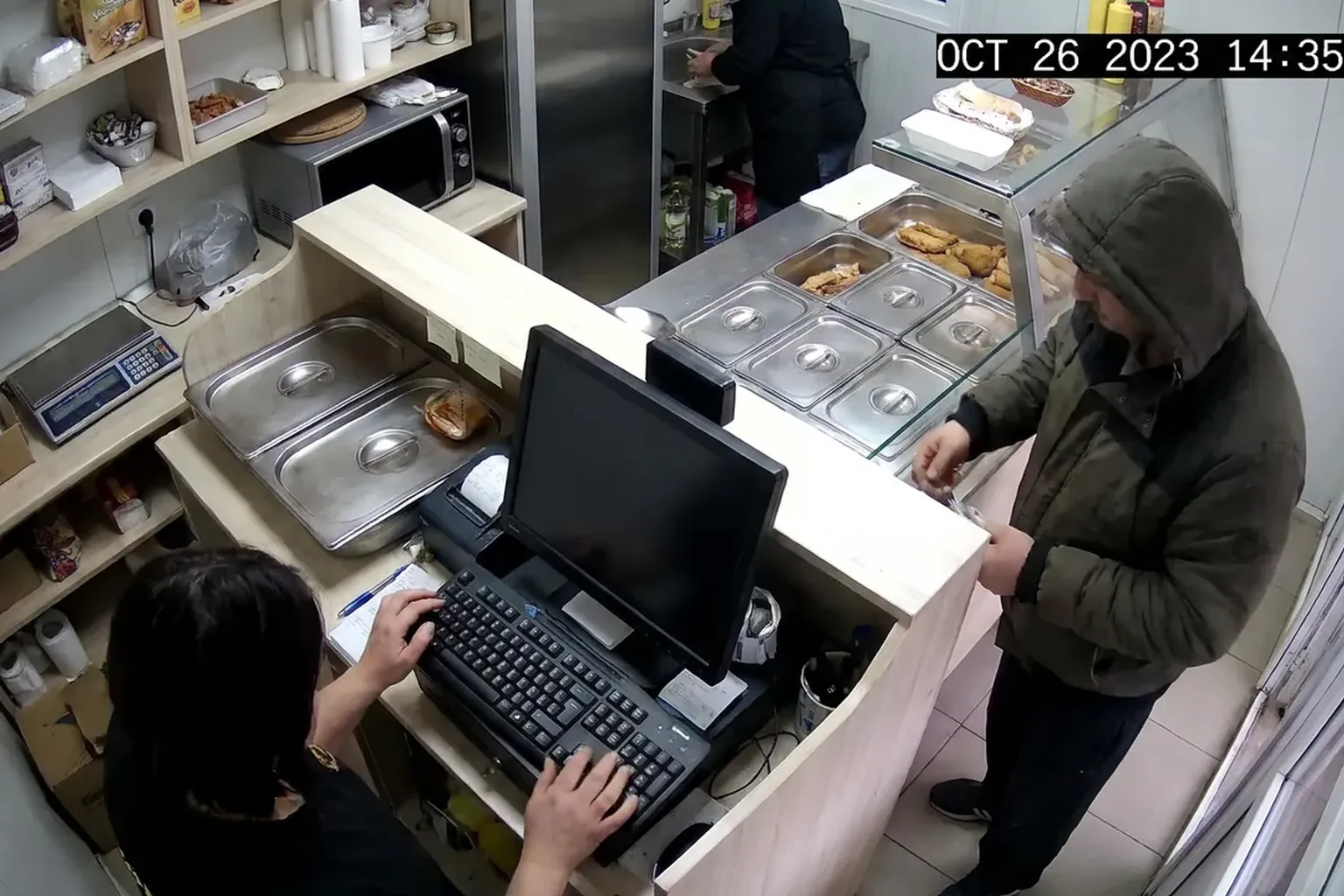
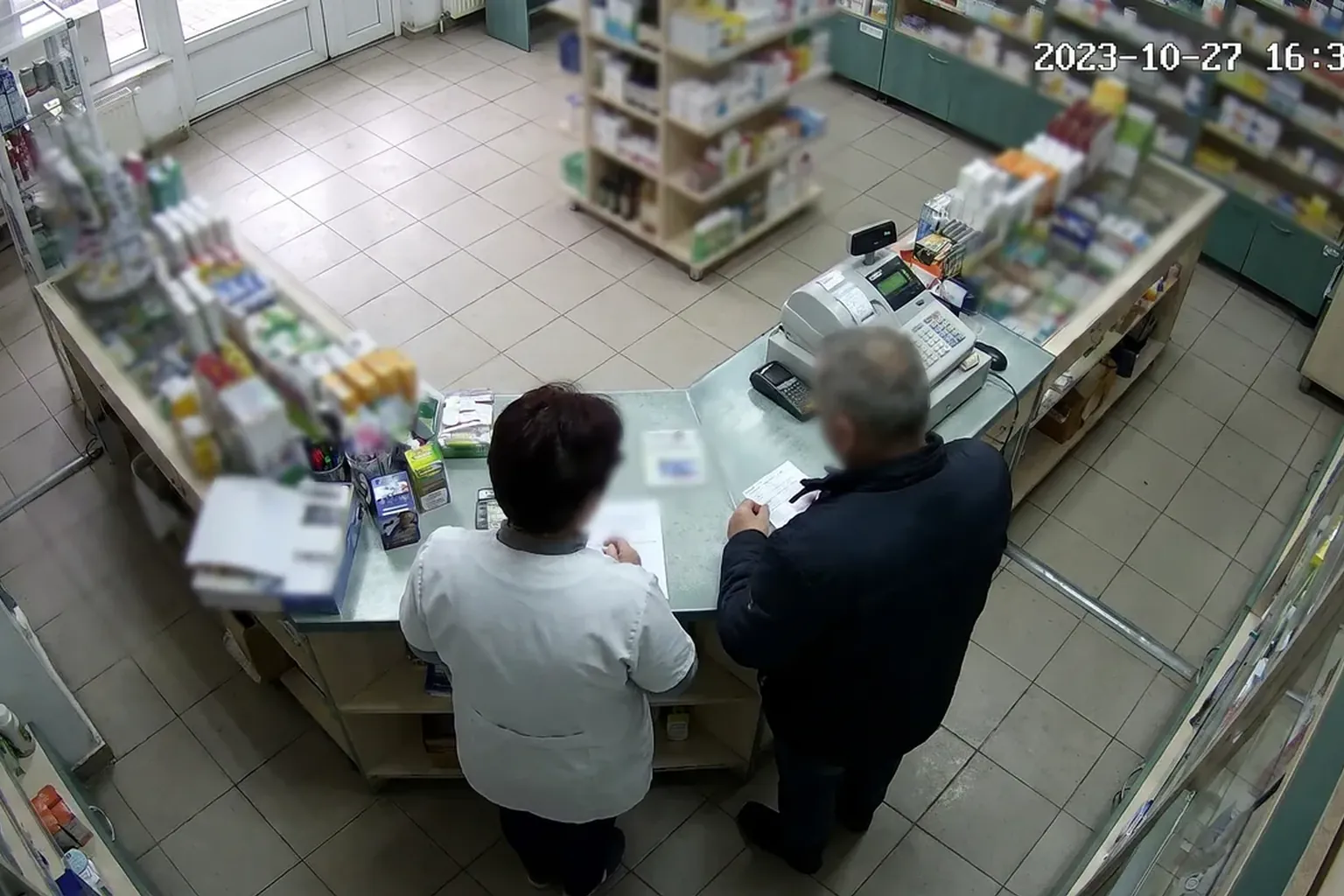
Another useful check is to compare the volume of discounts given with total sales. If you notice discounts are unusually high during a certain period, it’s a warning sign. Additionally, review surveillance footage during times when discounts are applied. If you see an employee giving discounts without any customers at the register, it’s clear you need to investigate further.
Using Technology for Monitoring
Technology can be a powerful ally in tracking employee discounts. Vigilessa, for example, can match surveillance footage with transactions from your POS or cash register system. This way, you can see if discounts are being applied according to company policy. If there are discrepancies between what’s on camera and the receipt, you can dig deeper. This type of monitoring isn’t about suspecting your staff of theft—it’s about ensuring rules are followed and everyone benefits fairly from discounts.
If you have a question, you can ask Iris, the AI assistant, directly on WhatsApp: which discounts were given during a specific shift, at which register, and at what time. Actual alerts—with the video clip and receipt—are sent separately, only when what’s on camera doesn’t match the transaction. This lets you react quickly, before a small issue becomes a habit.
Integrating technology into your monitoring processes not only gives you better control over discounts, but also saves you time. Instead of manually checking every transaction, you can let automated systems handle the basics, so you can focus on cases that really need your attention.
Clear Communication with Your Team
Once you have the data, it’s important to communicate openly with your team. Rather than accusing, explain how the discount system works and why monitoring is necessary. You can hold a meeting to discuss company policies and answer employee questions. Being transparent can reduce tension and clarify expectations.
This can also motivate employees to follow the rules and report any abuse they notice. Encourage them to be part of the solution, not just rule followers. You can even share real examples of how discount abuse can impact the business—and their jobs.
It’s also important to create an environment where employees feel comfortable reporting issues. Set up an anonymous feedback system or appoint a trusted person they can approach. This way, you’ll spot problems earlier and have a more engaged, responsible team.
Implementing Clear Procedures
Set clear procedures for applying employee discounts. For example, you might limit the number of discounts an employee can give per day, or require manager approval for large discounts. Make sure all staff know these rules and find them easy to follow. You can also create an anonymous reporting system for employees to flag any irregularities. This encourages a more ethical and responsible workplace.
It’s important to apply these procedures consistently, with no unjustified exceptions. Also, review the rules regularly to ensure they’re still relevant and effective. Encourage employee feedback to keep improving the process.
Another key point is to provide regular training on how to apply discounts correctly. This not only helps staff understand company policy, but also prevents mistakes that could lead to unintentional abuse.
Ongoing Discount Monitoring
Monitoring shouldn’t be a one-off event. It’s important to regularly check sales reports and watch for any changes in discount patterns. You can use the loss calculator to estimate the financial impact of abuse on your business. Also, periodically review your discount policies and adjust them based on your findings.
This ongoing process helps you spot and fix issues before they seriously affect your business. Check if there are certain times of day or week when discounts are applied more often, and investigate why.
Another important aspect is using the data you collect to improve your processes. For example, if you see discounts are given more often on certain days, you can adjust staffing or schedules to prevent abuse. This kind of analysis helps you stay proactive and keep better control of your business.
Start with a Demo
If you want to see how the system works without a major investment, you can request a demo using your own recordings. This lets you see how the technology fits into your daily operations and evaluate its effectiveness. Once it’s running, you can fine-tune the settings and processes to fit your needs.
This gives you a clear picture of how to manage employee discounts without creating tension in your team. Plus, you can use this period to educate staff about the new system and get their feedback. This helps you implement changes in a way everyone can accept.
Tomorrow, you can start by reviewing your current discount policies and talking with your team about why it’s important to follow them. Then, explore available technology options to improve monitoring. Start small—like checking last week’s sales reports for any anomalies—so you’re better prepared to implement effective long-term solutions.
FAQ
How can I check employee discounts without directly accusing anyone?
You can use technology to monitor discrepancies and communicate openly with your team about the importance of following policies.
What if employees feel they’re being watched too closely?
Explain that monitoring is about ensuring rules are followed, not about suspecting them unfairly.
How can I limit discount abuse?
Set clear procedures and limits for discounts, and make sure all employees know and follow them.
What technology can I use to monitor discounts?
Vigilessa can match surveillance footage with transactions to detect discrepancies.
See also: Fast Food · Retail & Supermarkets · Loss Calculator
Want to know your business’s real loss figure?
Request a demo