Cash register theft rarely looks like it does in the movies. Most of the time, it’s small amounts, repeated, hidden in what seem like routine operations: a cancellation, a return, a discount. Individually, they don’t stand out. But over a month, they add up to a serious loss.
Below are the most common methods seen by owners of restaurants, shops, and gas stations, along with the traces each one leaves in your POS or on camera.
1. Drawer Opened Without a Sale
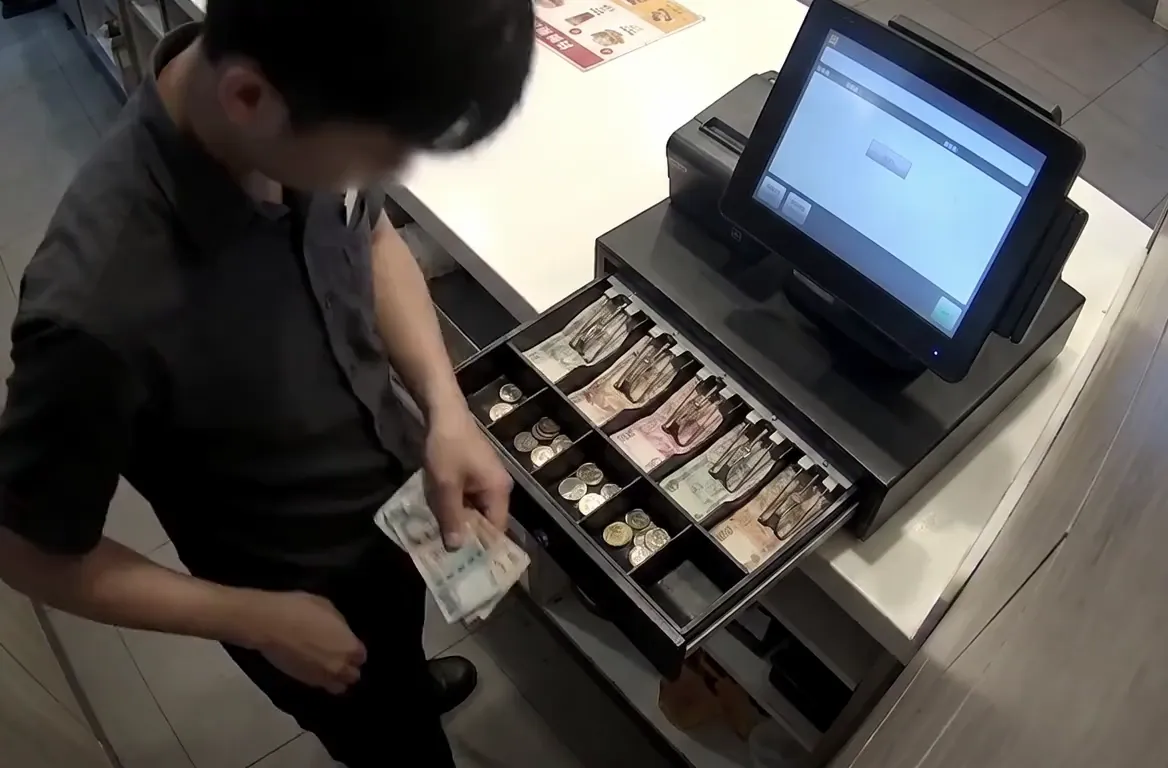
Your cash register allows the drawer to be opened without issuing a receipt, for example to give change or swap bills. The same function can be used to take out cash. The trace: a drawer opening without a transaction, usually brief, during quiet periods.
2. Receipt Cancelled After Payment
A customer pays cash and leaves, then the receipt is cancelled afterwards. The money stays in the drawer but disappears from sales, so it can be taken at the end of the shift without showing a shortage. The trace: cancellations done a few minutes after issuing, often grouped on the same register or shift.
3. Sale Without a Receipt
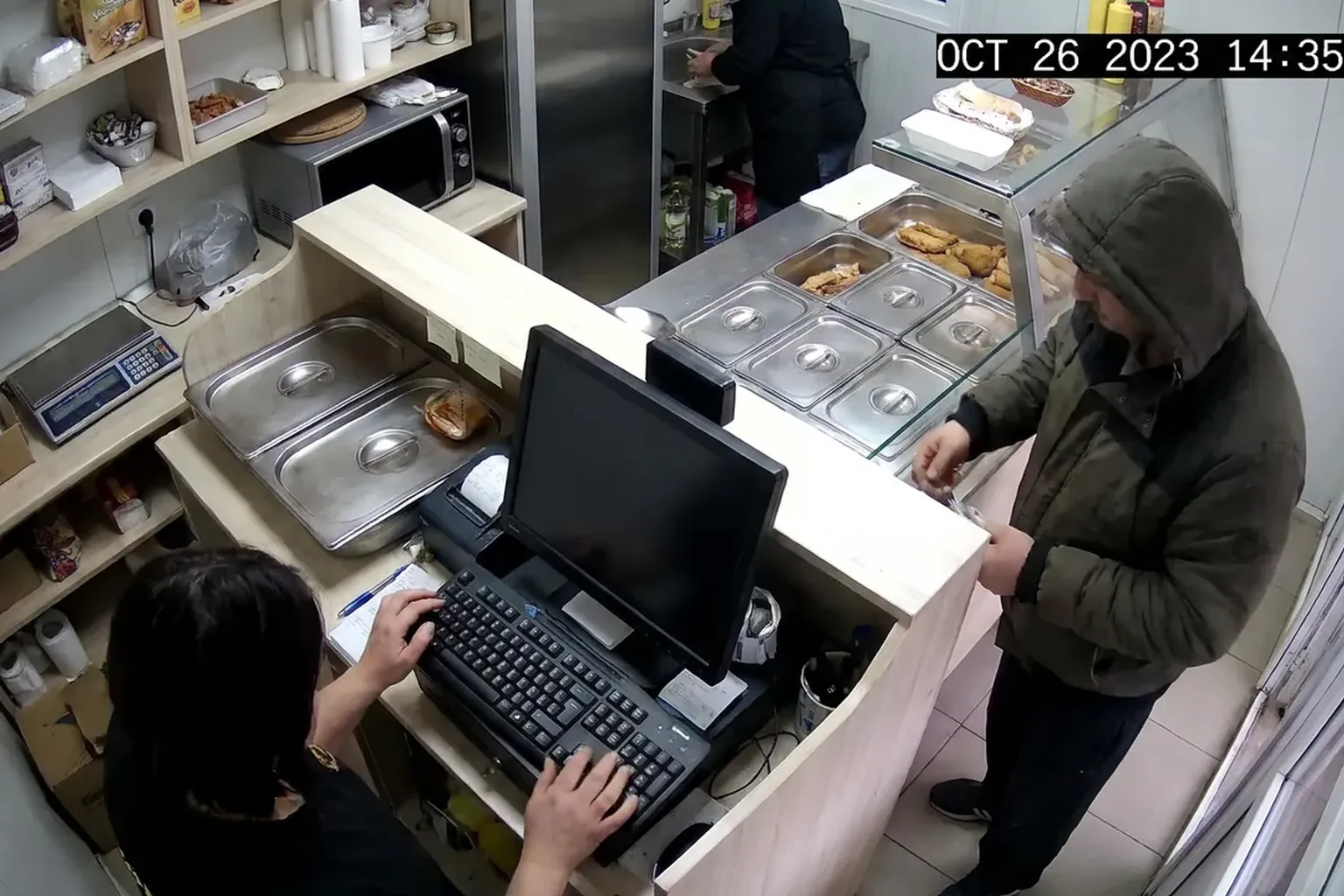
When paid in cash, the employee takes the money but doesn’t issue a receipt. This is the hardest method to spot in reports, because there’s simply no transaction. The only trace is on camera: the product leaves, money comes in, but the register records nothing.
4. Fake Returns and Discounts
A return for a product that was never brought back, or a discount given to a customer who isn’t entitled to it. The difference is taken from the drawer. The trace: returns with no customer at the register, employee or loyalty discounts used very frequently by the same person.
5. Cheaper Product Registered Instead of Expensive One
A cheaper product is rung up instead of the one actually sold, and the difference stays with the employee or goes to a friend. The trace: the camera shows one product, but the receipt lists another.
How to Catch Them
- Check your register reports for cancellations, returns, and drawer openings, by register and by shift. Clusters matter more than the total number.
- Compare the end-of-shift cash count with sales, but remember that cancellations after payment can hide discrepancies.
- Link every sensitive operation to the video footage from that moment. Without video, a cancellation is just a line in a report.
- Set clear rules: who can cancel, for what reasons, and with what approval.
An automated verification system connects your register and cameras for you: every drawer opening without a sale or suspicious cancellation comes with its own video clip. See how it works on our fast-food or gas station pages.
Before accusing anyone, check the full footage and context. Many anomalies have legitimate explanations: a customer who changed their mind, a typing error, or a cash exchange.
See also: Fast-food · Gas Stations · Loss Calculator
Want to know your business’s real loss figure?
Request a demo